In 2018-2019, the Urban Design Forum gathered its Fellows and other experts to consider how New York City can use creative zoning, investments in the public realm, and new infrastructure to enhance economic outcomes for all.
Posted — December 1, 2019
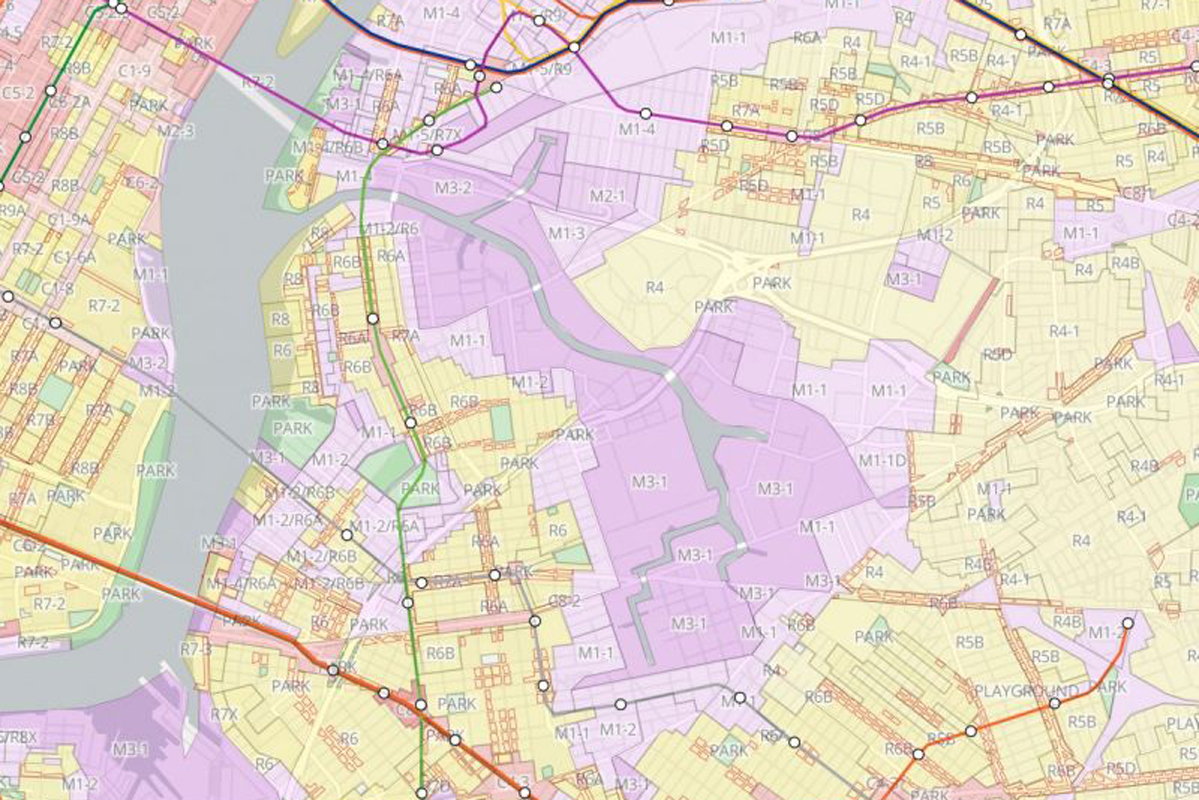
Restricting non-manufacturing uses is essential to the success of City industrial policy.
Posted — November 5, 2019
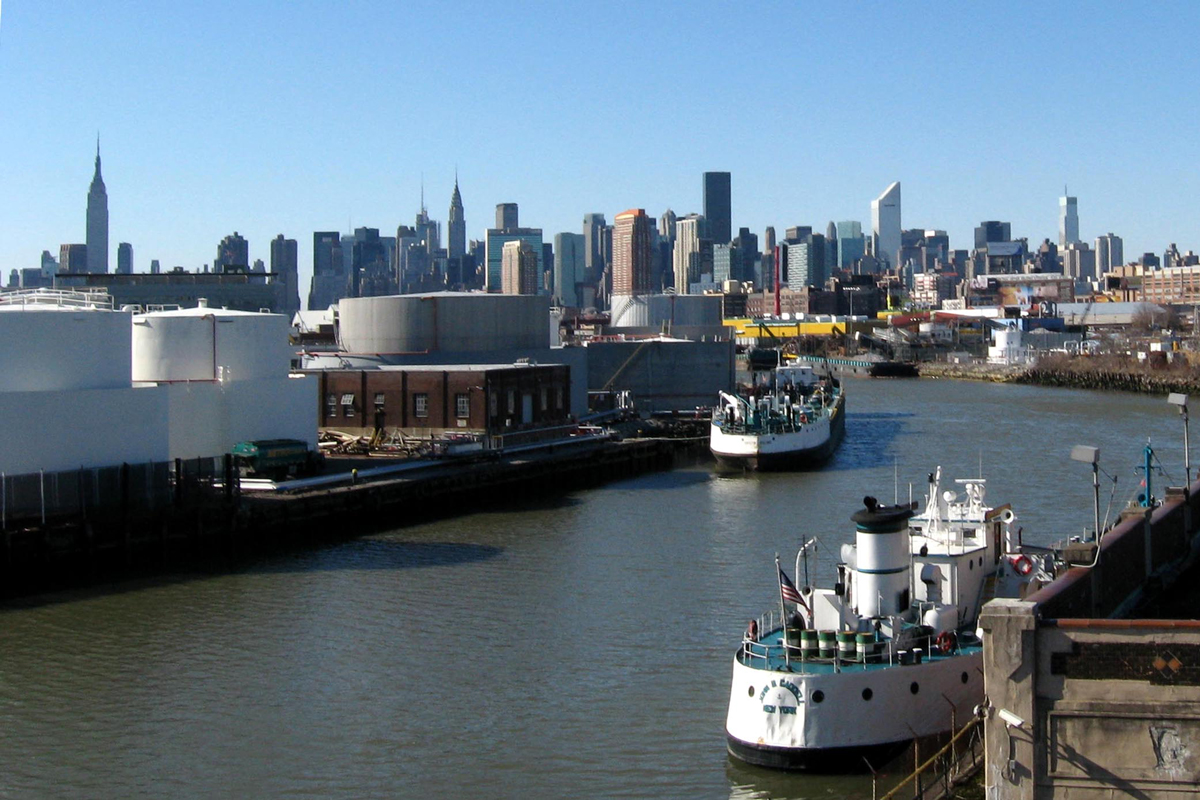
To respond to the climate crisis, New York City must preserve M-zones and invest in manufacturing and industrial innovation.
Posted — November 5, 2019
Public investments in open space, retail, and streetscapes can promote economic development by connecting and enriching New York’s life sciences hubs.
Posted — November 5, 2019
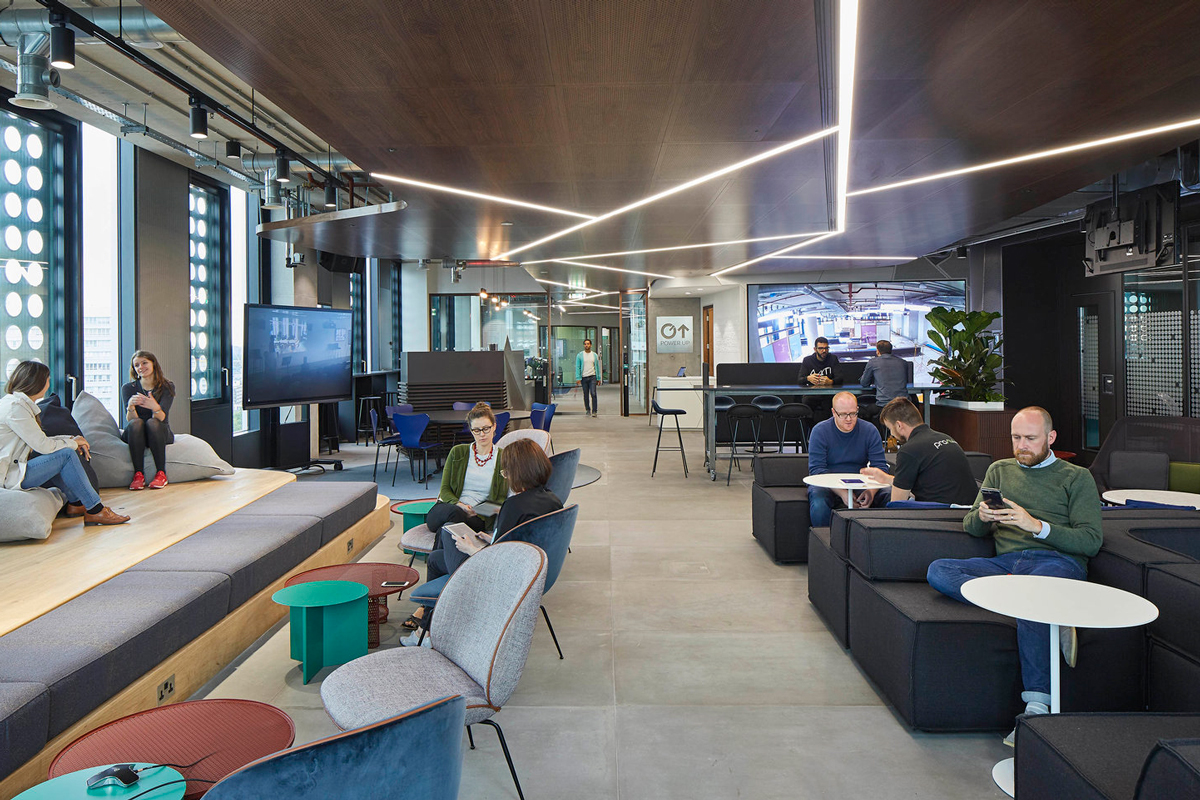
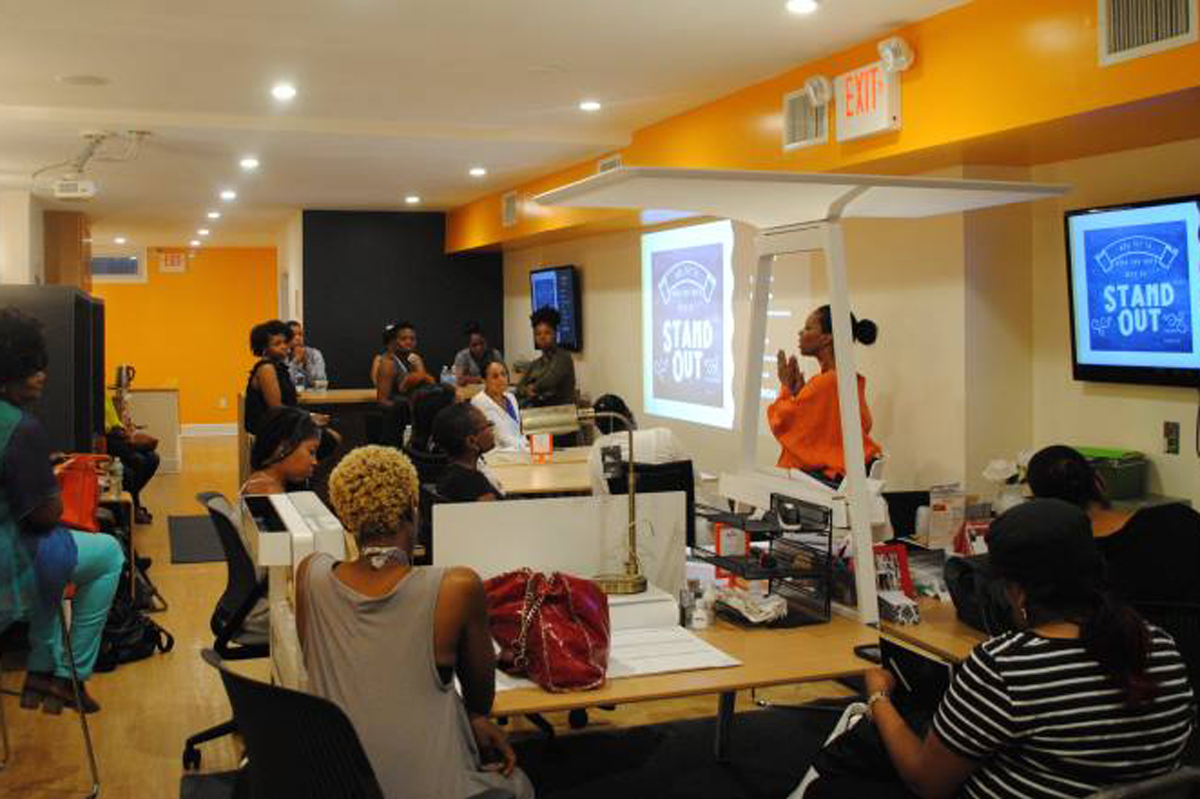
Coworking spaces should reflect the identity of their attracted members in order to thrive at work.
Posted — November 5, 2019
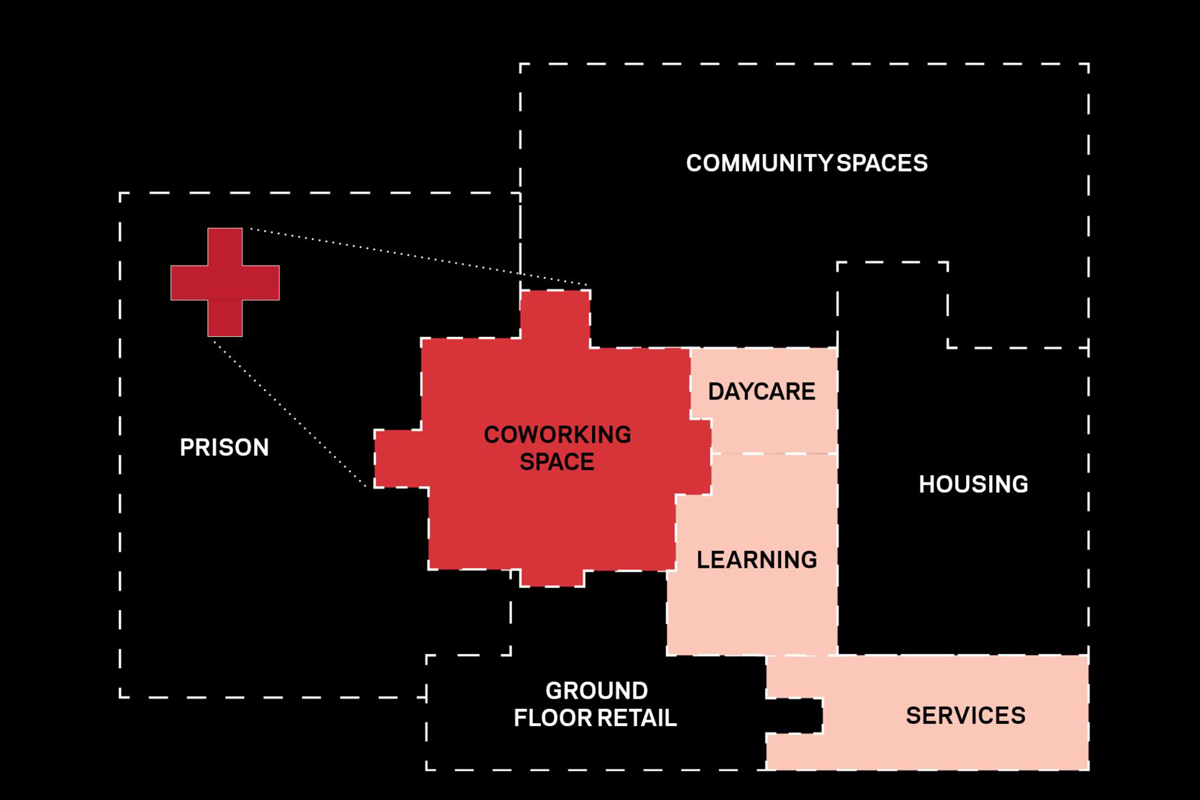
The community-focused approach of coworking can benefit justice design for a better inmate, visitor, and neighborhood experience.
Posted — November 5, 2019
Activate underutilized NYCHA spaces with workspaces for residents.
Posted — November 4, 2019
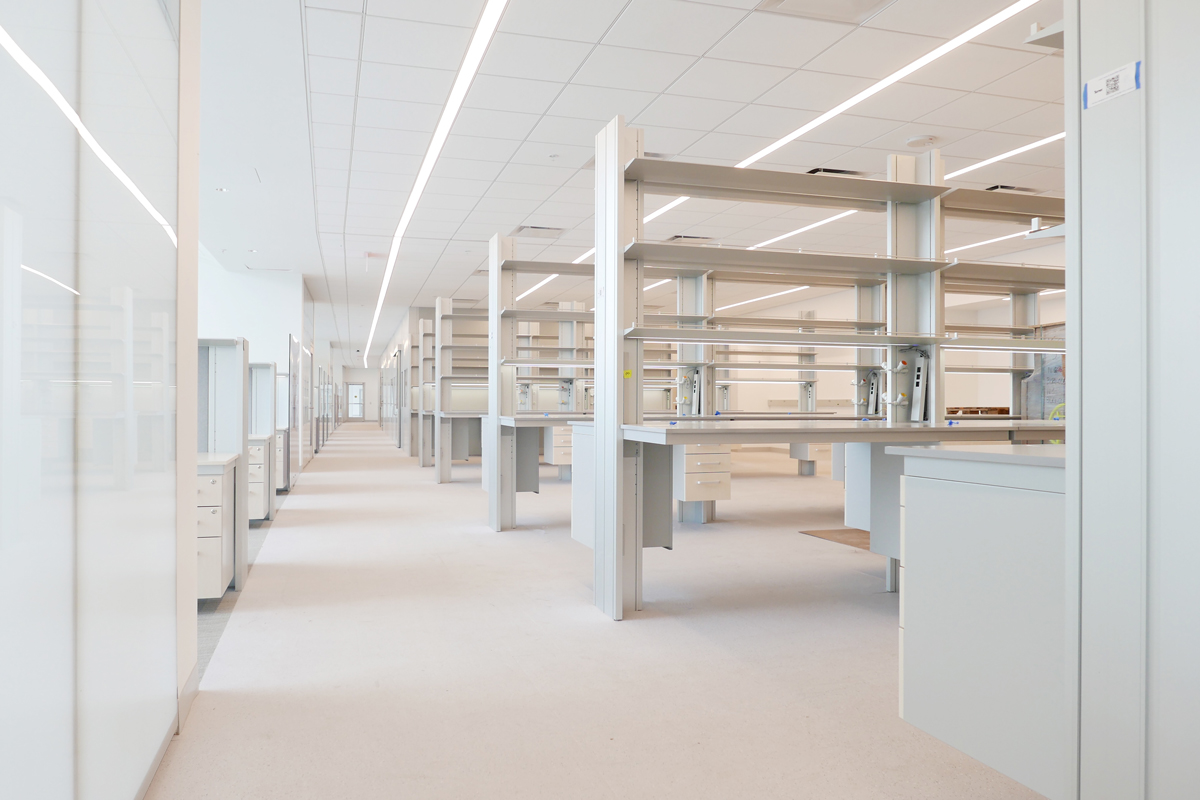
Design flexible campuses and flexible laboratory space that allow for easy growth and future modifications.
Posted — November 4, 2019
New York City should invest in non-profit organizations and spaces to create a safe ecosystem for Black entrepreneurs and creatives.
Posted — November 4, 2019
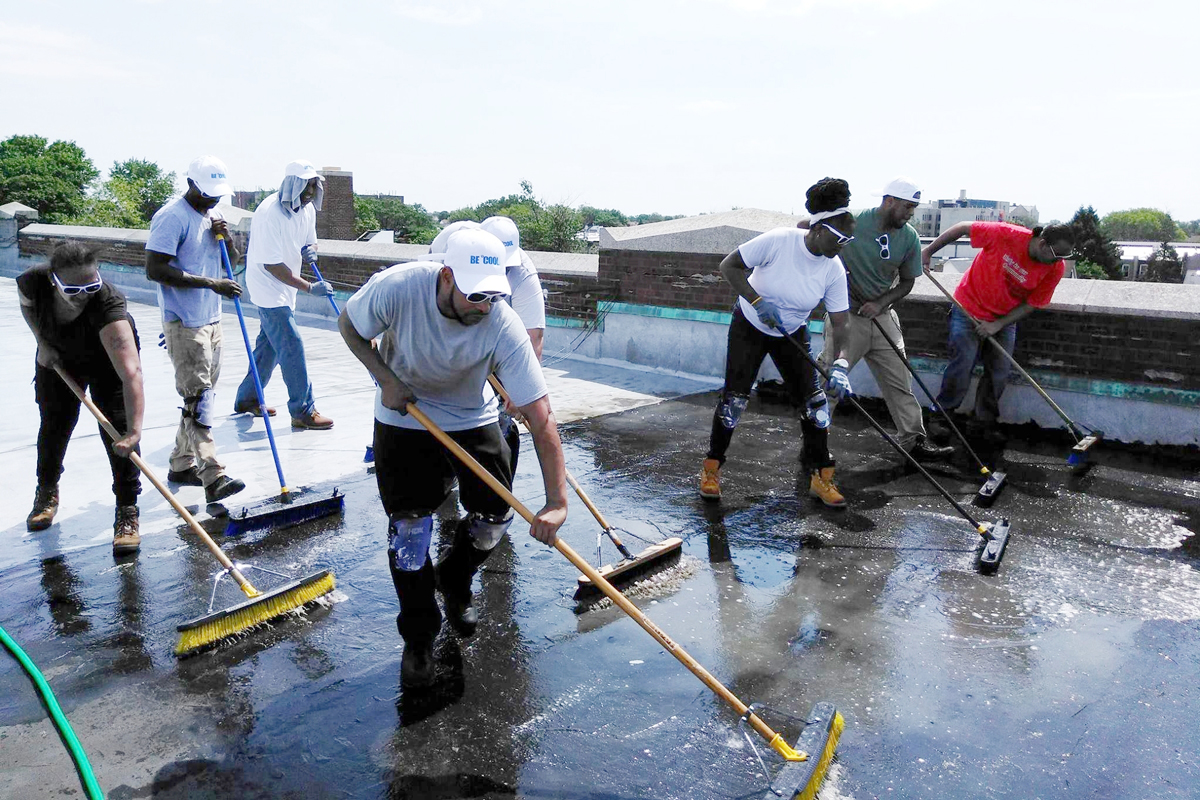
New York City’s industrial sector must undergo climate adaption and mitigation as a mechanism for economic opportunity and environmental justice.
Posted — November 4, 2019
In 2017-18, we invited our Fellows and other experts to consider the question of maintaining New York City’s essential infrastructure: its open spaces, roadways, subway stations, public housing, commercial corridors, and green infrastructure.
Posted — July 16, 2019
By Gretchen Dykstra The heart of Manhattan was reborn when the Times Square Business Improvement District (BID) was established in 1992, led by Gretchen Dykstra. Dykstra went on to serve as Commissioner of Consumer Affairs under Mayor Bloomberg, and was the Founding President of the National 9/11 Memorial Foundation. Today, she lives in the Hudson […]
Posted — July 12, 2019
By Carter Strickland Improved water quality paved the way for the redevelopment of New York City’s waterfront from manufacturing to residential and park uses. But combined sewer overflows remained a vexing problem—exacerbated by a century of development and increased rainfall during to climate change. Carter Strickland worked on the problem as Deputy Commissioner and then […]
Posted — July 12, 2019
By Theodore Liebman Theodore Liebman, FAIA, has devoted his career to examining the impacts of development on people and the environment, with an eye to improving cities and shaping future settlements. Now a Principal with Perkins Eastman, an Adjunct Professor at NYU, and Board Member with the Consortium for Sustainable Urbanization, Liebman casts his mind […]
Posted — July 12, 2019
By John Raskin John Raskin had a ringside view when legislative efforts to secure transit revenues through East River and Harlem bridge tolls were defeated in Albany in 2009, when John was serving as Chief of Staff to State Senator Daniel Squadron. Since 2011, Raskin has applied his previous experience in community organizing to transit […]
Posted — July 12, 2019