Maintenance is vital to the well-being and longevity of our urban open spaces. We advocate building maintenance plans into park projects from the start.
Posted — April 22, 2019
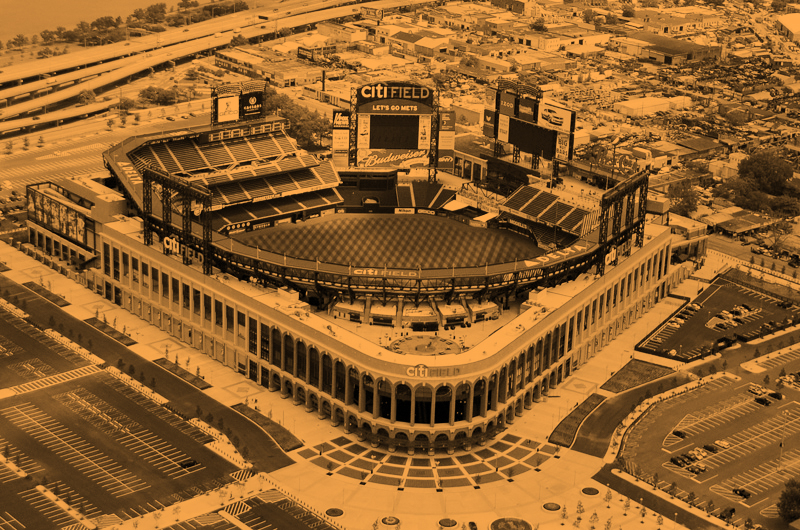
We need a game plan for funding the maintenance of New York City’s iconic parks, obscure parks, and could-be parks. Sports ticket sales could be the answer.
Posted — April 22, 2019
By leveraging public-private partnerships and sharing maintenance responsibilities between advertisers and retail lessees, we can deliver modern transit hubs that combine transportation and retail.
Posted — April 22, 2019
In neighborhoods with fewer resources, the BID model can be unpacked and adapted—sharing its functions among community organizations, government, and other supportive partners.
Posted — April 22, 2019
Partnership is possible—and importantly, fruitful—between residents, community organizations, and BIDs. If we want Myrtle Avenue to be the anchor for a healthy, thriving
neighborhood, we know that intentional partnership is essential to achieve it.
Posted — April 22, 2019
To maintain a common ground between Gowanus veterans and newcomers, we must rehabilitate the public spaces that connect the dots between the old and the new.
Posted — April 22, 2019
Instituting a citywide stewardship strategy for resiliency infrastructure— a Conservancy 2.0—will help deliver resilient open space projects to the physically and economically vulnerable areas that need them the most.
Posted — April 22, 2019
Business Improvement Districts often act as vital points of contact for communities. Local Development Corporations could be established to supplement BIDs, marshaling services that directly address neighborhood needs.
Posted — April 22, 2019
Community Land Trusts can maintain housing affordability for generations. We’re working to achieve this in New York City.
Posted — April 22, 2019
Digital technologies can augment, rather than replace, neighborhood retail.
Posted — March 27, 2019
City government should create a non-profit commercial development fund to combat small business displacement.
Posted — March 27, 2019
Time-based zoning encourages more efficient land use and balanced growth for dynamic 24-hour neighborhoods.
Posted — March 27, 2019
It is time cities consider a range of criteria - user equity, economic viability, and health – and light in nighttime design and planning initiatives.
Posted — March 27, 2019
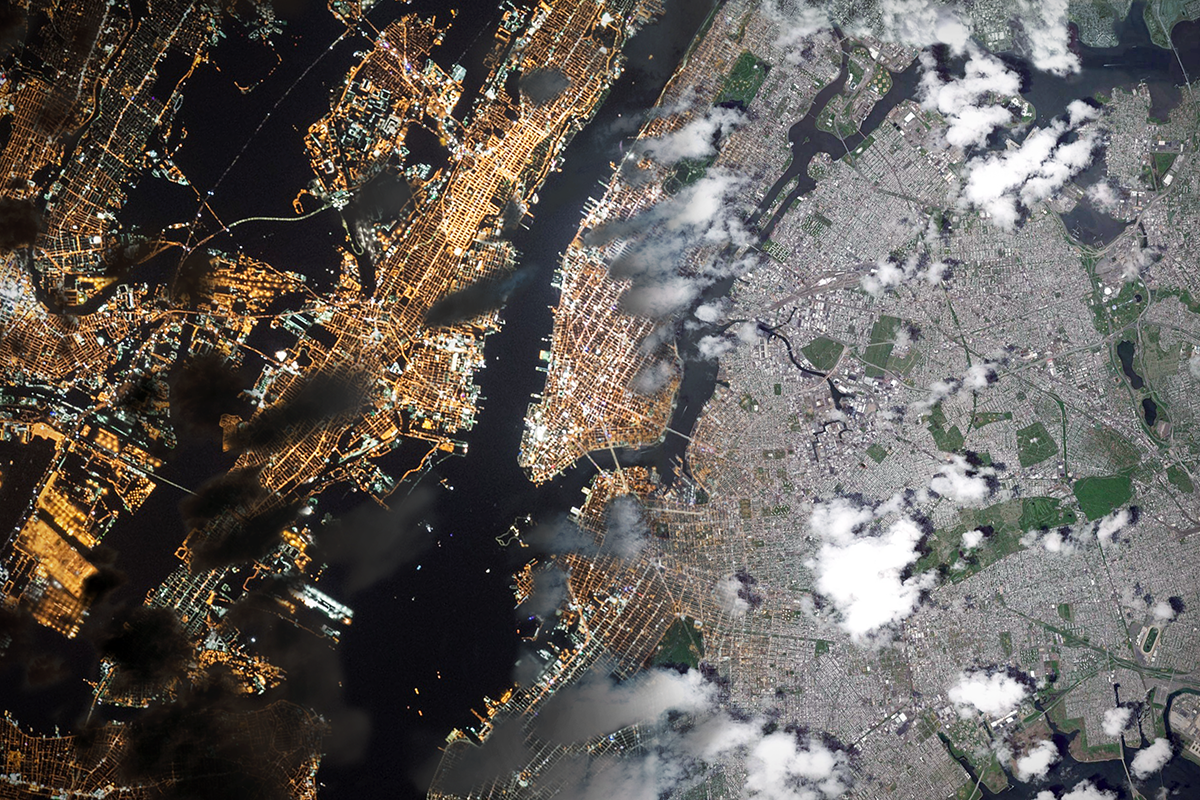
City governments should advocate for nighttime cultural and commercial spaces by actively managing the urban night through regulation, design and infrastructure.
Posted — March 27, 2019
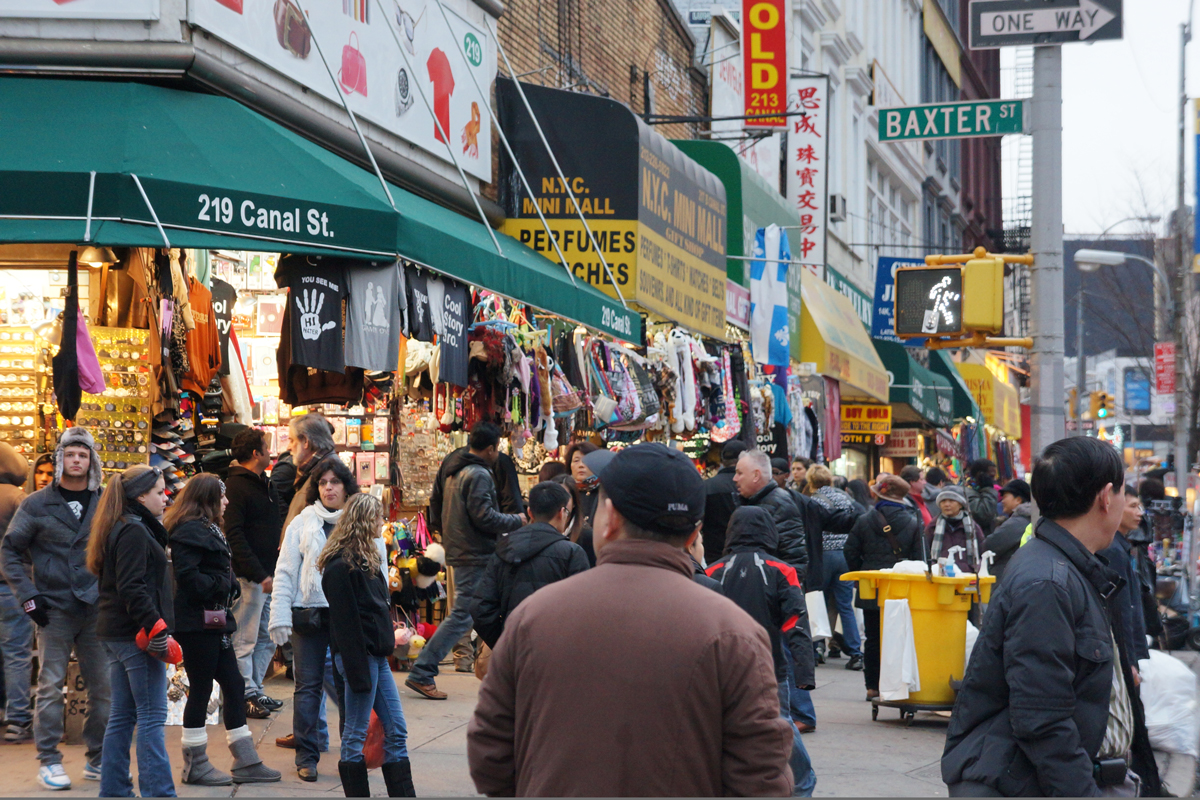
Cities must update codes and regulations to keep up with transformation in retail.
Posted — March 27, 2019