We are pleased to publish our second class of Forefront Fellows' original design and policy proposals to empower emerging and historic immigrant neighborhoods in New York City.
Posted — April 17, 2018
In a moment of increased political complexity for immigrant communities in the United States, a certain type of response to protect and support immigrant communities better is also increasing: worker cooperatives.
Posted — April 17, 2018
In the form of a stabilized, community-based, shared living environment, CO-LIVE has the ability to positively address the housing challenges faced by immigrants upon their arrival, while effectively increase housing supply and choices.
Posted — April 17, 2018
How we use public space is personal. Where we decide to sit, play, and congregate, is largely driven by how a space makes us feel and whether we feel welcome. Creating inclusive public spaces means designing spaces that meet the needs of a variety of people.
Posted — April 17, 2018
Immigrant dispersion and suburbanization presents new challenges, as immigrants may be less likely to form critical masses for social support and political power, and small municipalities may be less capable to address immigrant needs.
Posted — April 17, 2018
In almost every locality, the arts are a means for new immigrants to express themselves in a way that is already familiar to them, in a new city that is far from home, and feel ownership, pride and a sense of agency.
Posted — April 17, 2018
Instead of asking what kind of future transportation technology will bring us, we should ask: what kind of city do we want?
Posted — February 26, 2018
Our historic subway stations are our most used public spaces in the city. We should partner with the private sector to give our stations the innovation and investment they need to thrive.
Posted — February 26, 2018
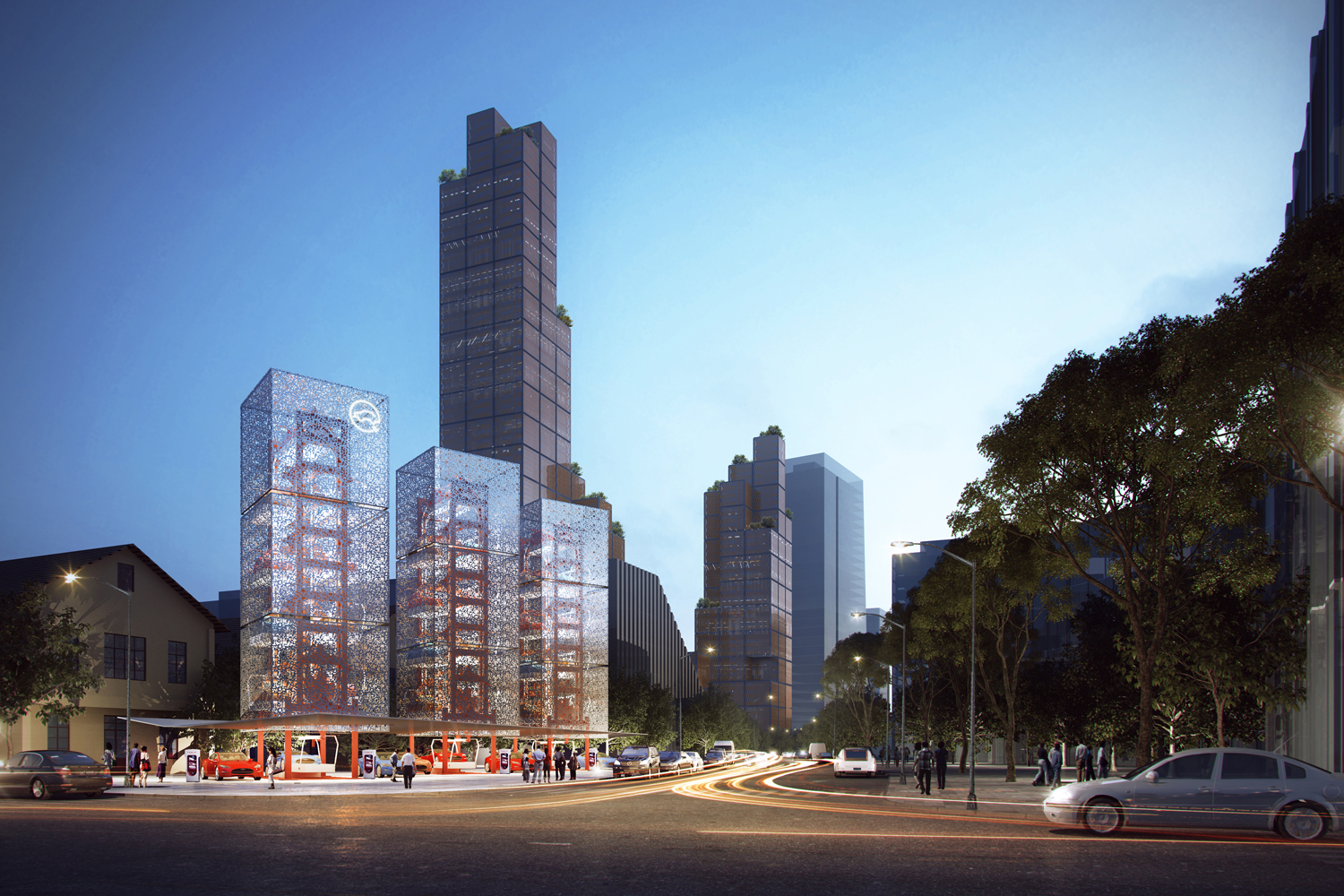
Electric and driverless cars are on the way-it's time to rethink our gas stations as new civic space.
Posted — February 26, 2018
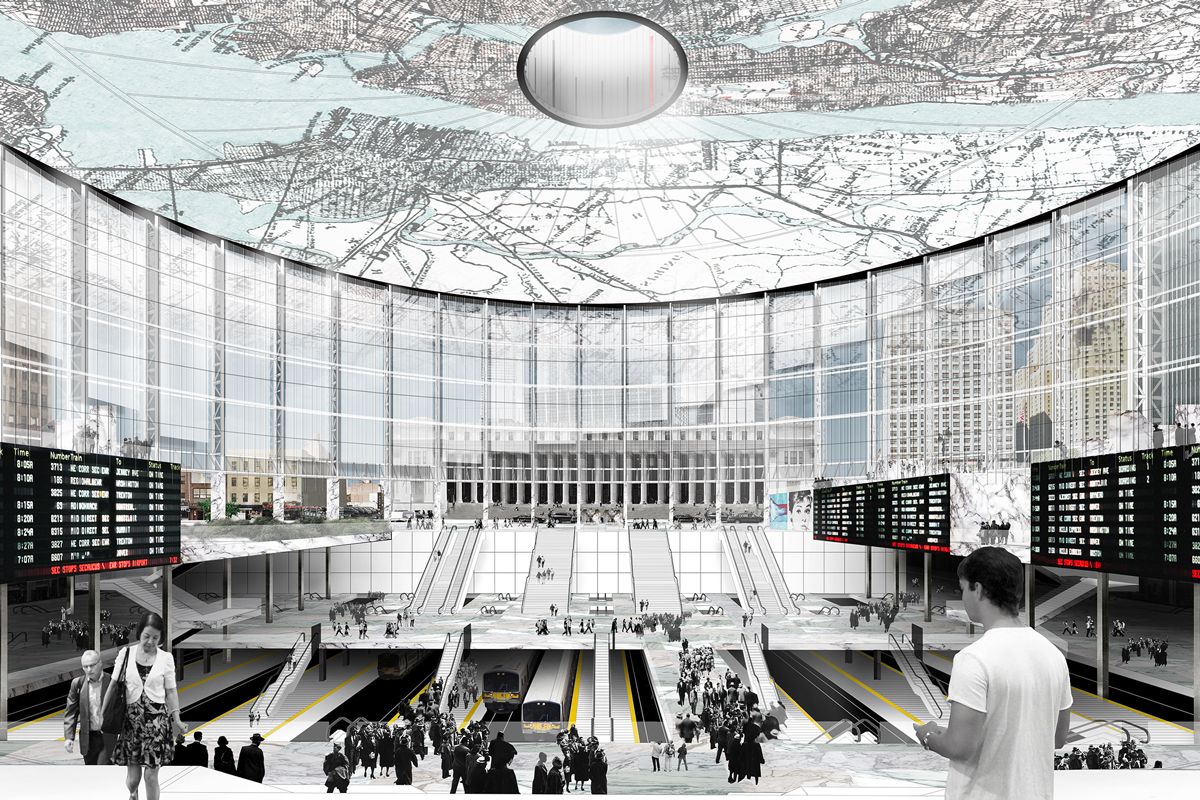
Penn Station is a symbol of our city, yet now stands a neglected opportunity. It should be a shared civic space for us all!
Posted — February 26, 2018
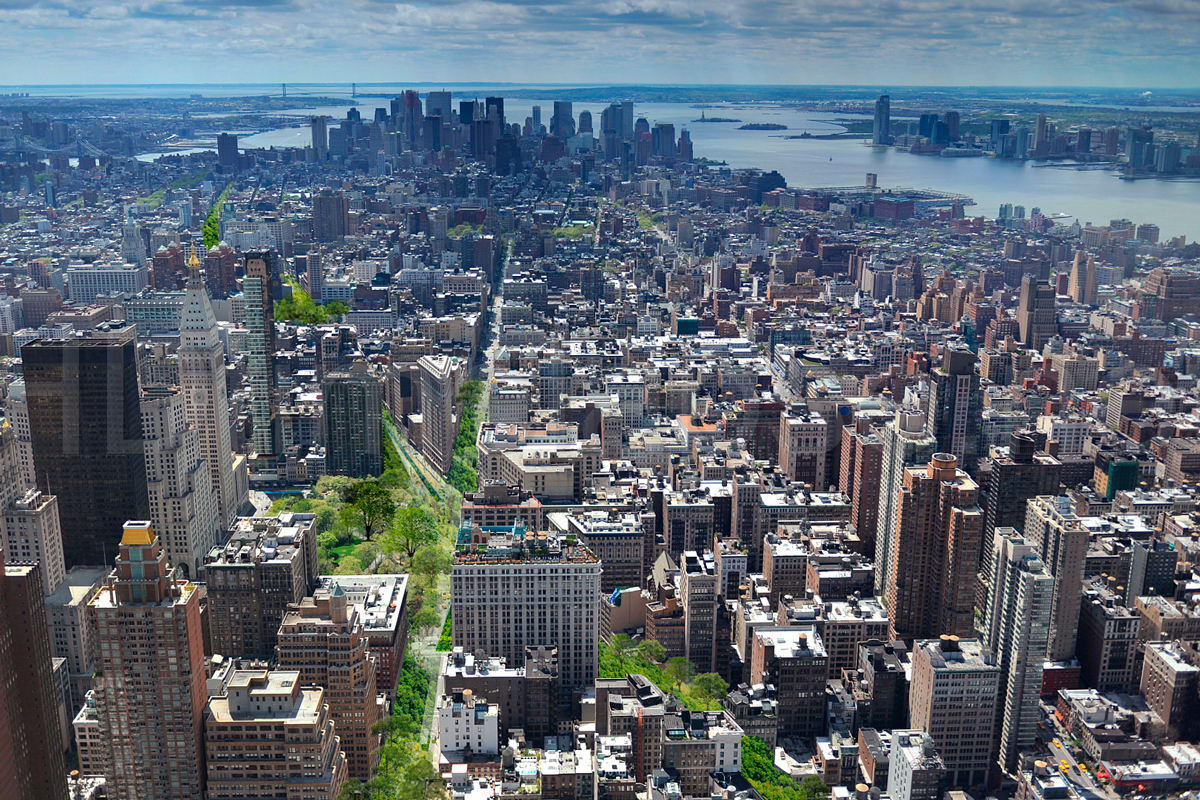
We no longer need Broadway as a street. We should transform it into a linear park—a Green Line running through midtown Manhattan.
Posted — February 26, 2018
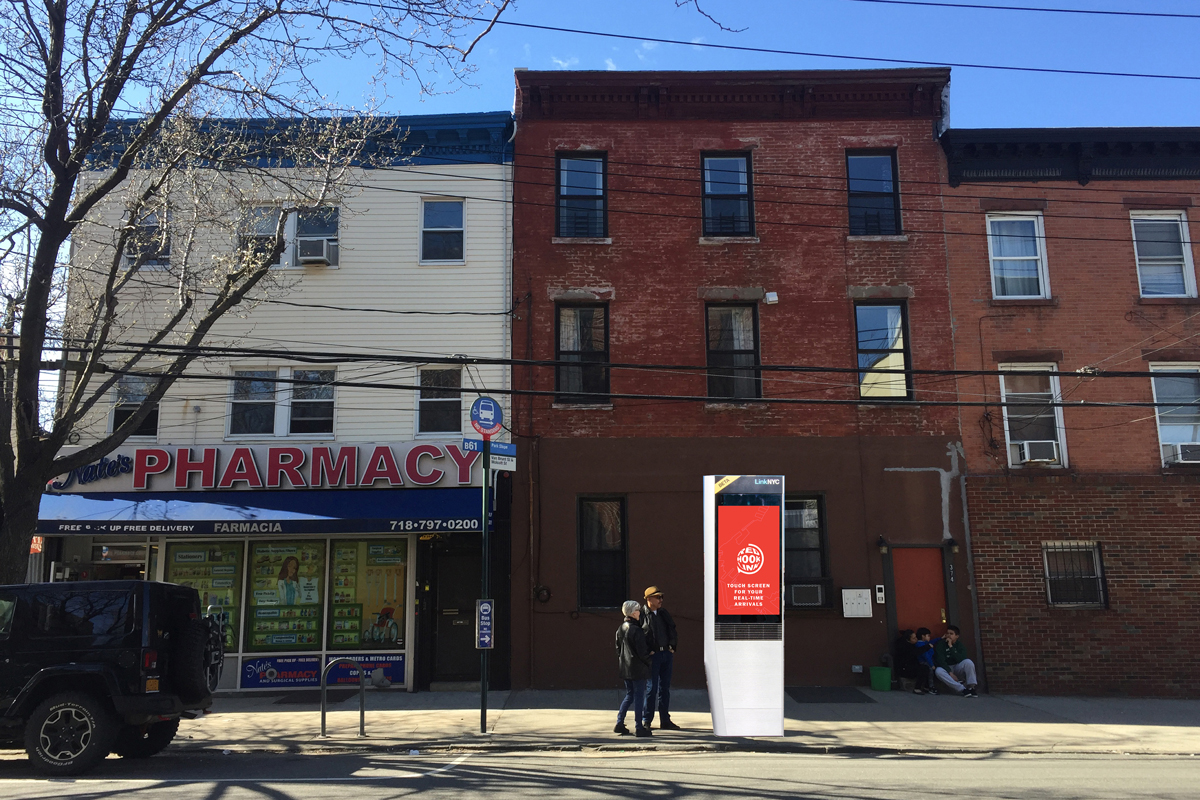
The Brooklyn neighborhood of Red Hook is notoriously difficult to access via public transit. Let’s explore new digital approaches to make the area’s transportation options visible to those who need them.
Posted — February 26, 2018
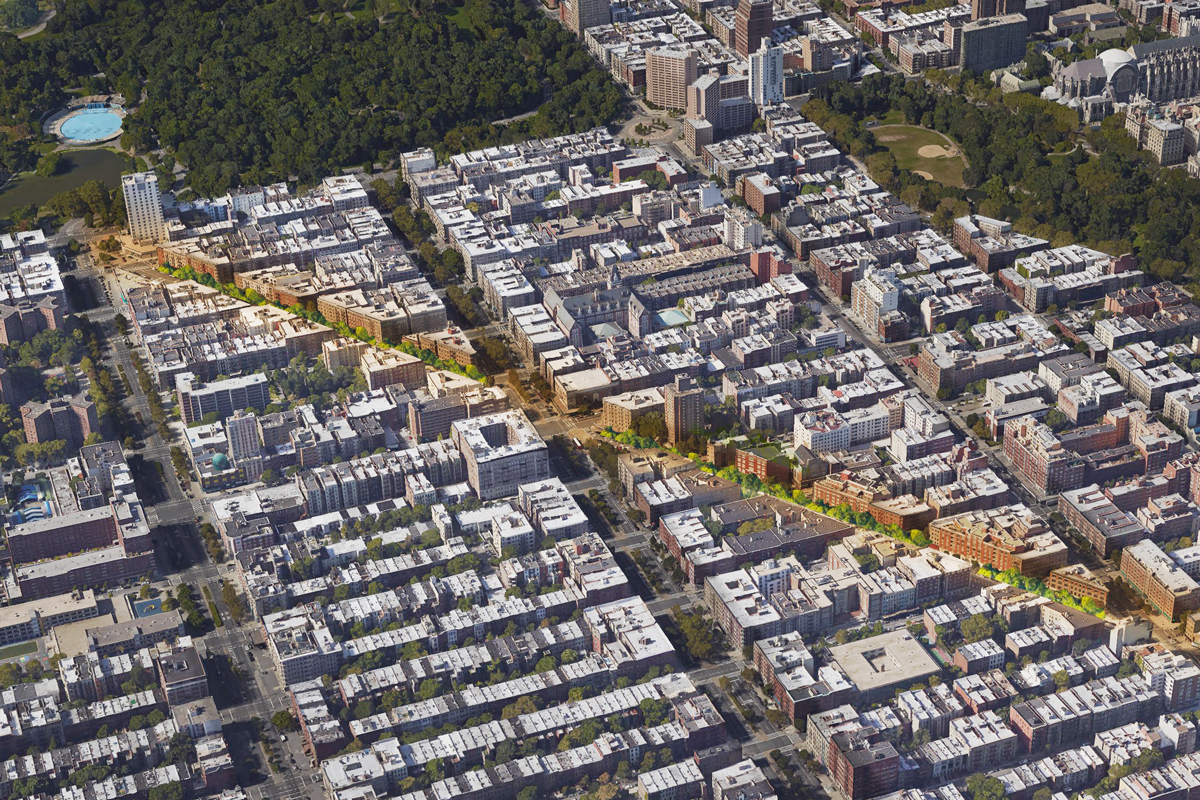
St. Nicholas Avenue today is a largely unnecessary traffic corridor. Imagine it as a 3/4-mile long park running through Upper Manhattan: Harlem Lane reborn.
Posted — February 26, 2018
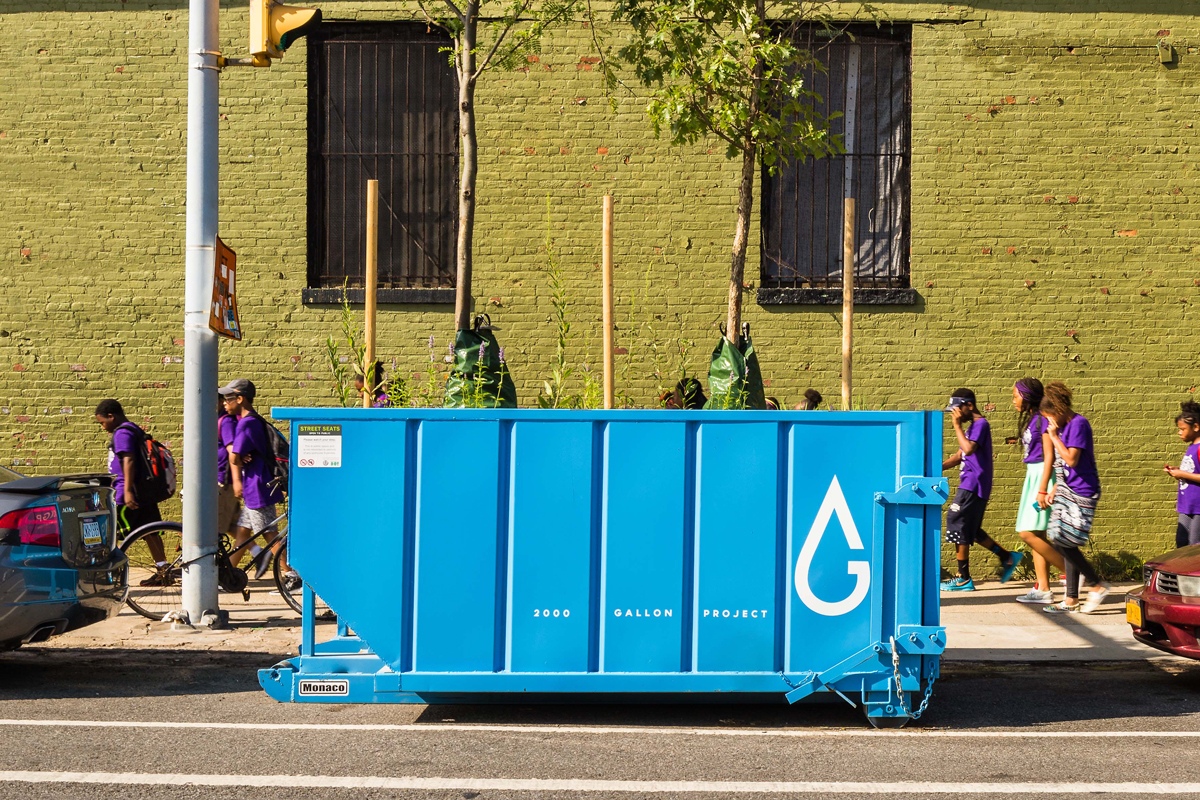
Traditional green infrastructure hides the runoff it manages. Imagine if we celebrated our storm-water by growing the future of our streetscape!
Posted — February 26, 2018
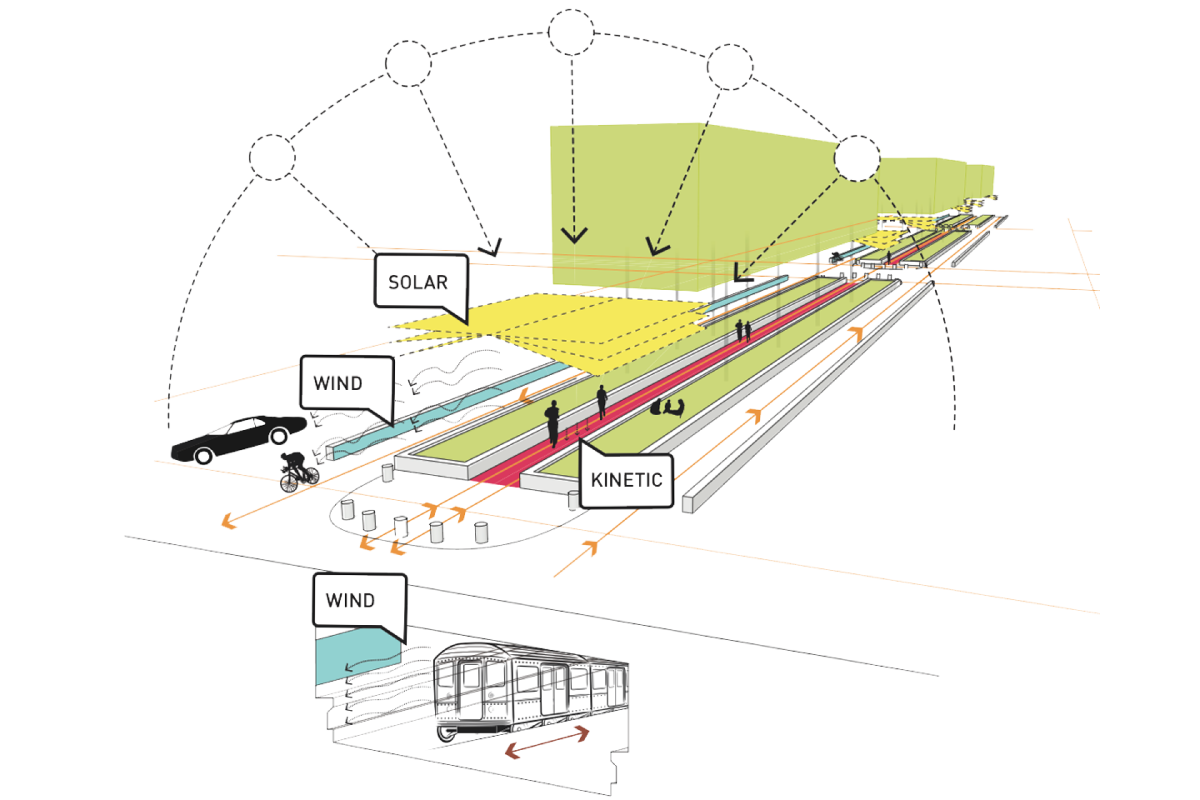
The Broadway Malls could become a significant green corridor, integrating cutting-edge technology to provide a safe route for pedestrians, cyclists, and local wildlife.
Posted — February 26, 2018