New York City is known as the city that never sleeps, but urban design and planning often treat nighttime as an afterthought.
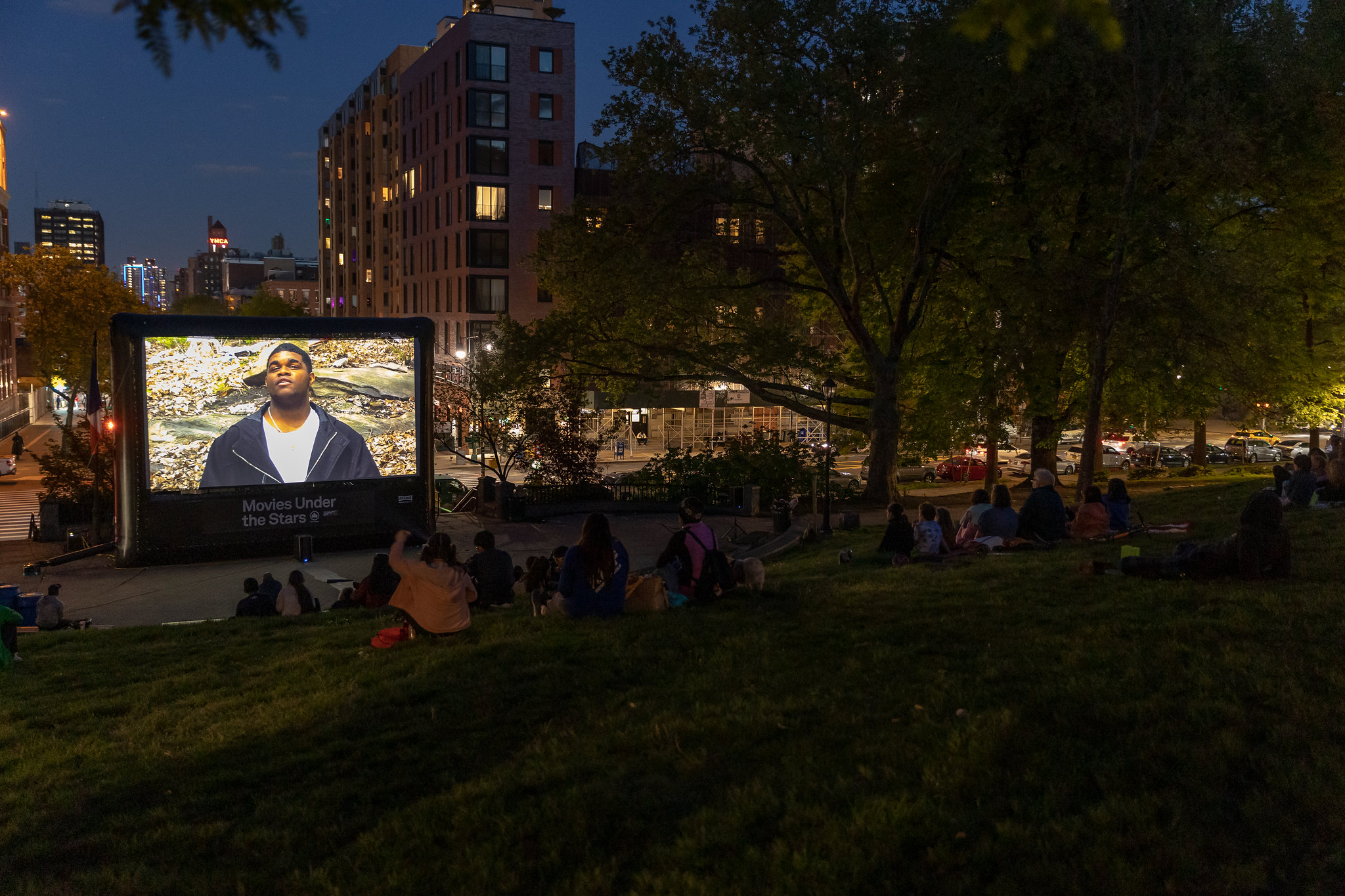
On any given night, neighbors gather in the park for live music and movies. Night markets draw crowds with food and culture. Independent bars, clubs, and venues make the city at night a space for freedom and belonging.
While some New Yorkers are reveling, others are working. Off-hour deliveries move goods on clear streets to ease daytime congestion. First responders answer emergencies through the late hours. Nurses, deliveristas, cleaners, bartenders, and artists cross the city by bike, bus, and subway, often waiting alone in the dark for their ride home.
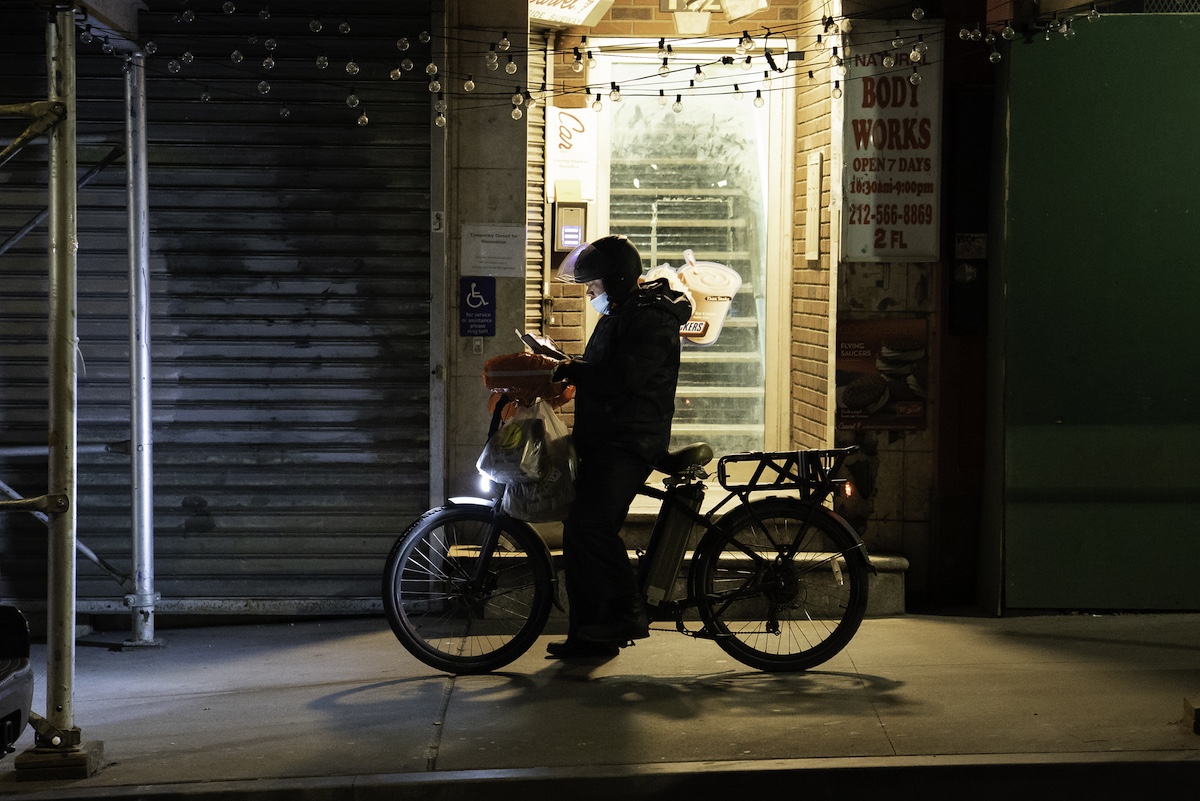
Night shapes almost every part of city life, but city operations rely on a daytime schedule. Park hours, sanitation, and public restrooms are built for daytime use. Buses and subways come less frequently. Certain New Yorkers, like women and older adults, feel less safe moving throughout the city. To realize the promise of a 24-hour city, we must rethink how we plan, design, and manage our neighborhoods around the clock.
After Dark, our 2027 Next New York initiative, will bring together urban designers, planners, researchers, nightlife workers, organizers, and neighborhood leaders to imagine a better New York City after the sun goes down.
How can we design neighborhoods that feel welcoming, accessible, and vibrant after dark?
Key Questions We’ll Explore
- How can we design neighborhoods that feel welcoming, accessible, and vibrant after dark?
- How can every New Yorker—especially women, older adults, LGBTQIA2S+ people, and night-shift workers—feel safe on our streets, in our parks, and on transit at night?
- How can nighttime culture become more open and affordable to everyone?
- How do we plan for a 24-hour city to ease conflicts between people who sleep, work, and celebrate at night?
- How should we design lighting on our buildings, streets, and public spaces to balance visibility with human health, urban wildlife, and the night sky?
- What would change if we designed the city at night as a place in its own right?
Join the Fellowship
As many as 40 Fellows will work in five groups to design a better New York City at night. In eight nighttime sessions from March through June, Fellows will meet stakeholders, participate in night walks, and join a design charrette. Each group will develop a design proposal and policy ideas that can scale citywide, and present them to the public at an ideas launch in July 2027.
Fellows will join one of five working groups. Each group will take on a citywide challenge through a design proposal grounded in a real site or site type.
- The Late Shift: Night-shift workers—many of them immigrants, women, and people of color—often travel by bus, bike, and subway when transit service is thinnest. How might we reimagine nighttime transit, and the places where people wait for it, so workers can get home safely and reliably at any hour?
- Sharing the Night: Every night, workers, residents, and visitors are working, celebrating, and moving through the city while the rest of New York sleeps. How might we plan, design, and manage mixed-use neighborhoods to ease conflicts between people who sleep, work, and celebrate?
- Nocturnal Parks: New York City’s 30,000 acres of parkland support recreation and connection to nature, yet many parks feel off-limits after dark. How might we design, program, and manage our parks so New Yorkers feel safe to play, explore, and connect with nature at night?
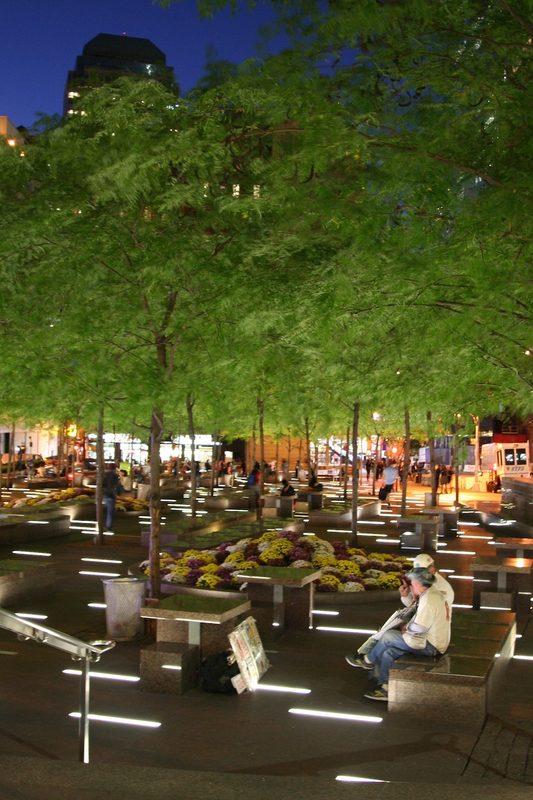
- Nighttime Joy: Large cultural festivals with corporate partners have the capacity to navigate permits, costs, and policing to organize block parties and night markets. How might we create light-lift ways for small, informal groups to gather and celebrate on streets and plazas at night, in any neighborhood?
- Safer Streets: Neighborhood organizations and elected officials often call for better street lighting to improve safety, but the response is usually temporary floodlights. How might we use lighting, design, and programming to make city streets safer and more livable at night?
What We Offer
- Build Your Network: Connect with leading experts across disciplines at workshops, roundtables, and tours throughout the year.
- Create Civic Change: Deepen your understanding of the built environment after dark, and publish shared strategies that take on the city’s most persistent nighttime challenges.
- Elevate Your Visibility: After Dark Fellows will present their ideas to a public audience. Past Forum Fellows have gone on to share their work at conferences, meet with public officials, and win professional awards.
- Earn AIA and AICP Credits: Urban Design Forum is an AIA Continuing Education Provider and an AICP Certification Maintenance Provider. After Dark Fellows can earn AIA LU hours and AICP CM credits.
What We Ask
- Build Together: Come ready to learn from your peers and support their growth. We ask for active participation throughout the program and encourage groups to try new ways of working together, drawing on alternative models of collaboration to shape how they share research and manage their projects.
- Respect Differences: Respect and learn from one another’s lived experiences and perspectives.
- Bring Rigor and Creativity: Apply critical thinking and creative ambition to reimagine how New York City works, plays, and rests after dark.
Who Should Apply
We welcome Fellows who are early- to mid-career professionals with five to twenty-five years of experience to apply. We encourage people with a range of disciplinary backgrounds and lived experiences, including those working in urban design, planning, architecture, landscape architecture, lighting design, engineering, policy, research, development, nightlife producers, public space management, transportation, and labor policy. We also welcome candidates who don’t see themselves as design or planning experts but understand how those fields shape the city.
Fellows must live or work in the five boroughs for the duration of the Fellowship. We seek to build a cohort that welcomes people traditionally underrepresented in planning and design. Women and gender-expansive people, people of color, LGBTQIA2S+ people, people with disabilities, and professionals with experience in a range of neighborhood settings are strongly encouraged to apply.
Time Commitment
Fellows meet twice a month for eight in-person evening sessions, from 6:00 to 9:00pm, and participate in a public ideas launch event. Dinner will be provided. Groups should plan for extra time outside of sessions to organize additional site visits and stakeholder calls and do independent research, especially during the design phase and ahead of the ideas launch in July. Every session relies on the active participation of the whole cohort, so attendance is required at all dates. To complete the program, Fellows may miss no more than two sessions.
Program Cost
We aim to build an inclusive cohort, and recognize that leaders have different financial capacities. Tuition is $1,200 and covers 27 hours of programming with leading New York City thinkers, plus dinner expenses and materials. Need-based scholarships are available in various tiers, including full scholarships to cover the entire $1,200.
Calendar
- Thursday, November 19, 2026
Applications Open
- Thursday, January 14, 2027
Application Deadline
- Week of February 15, 2027
Notification of Results
- Fellowship Sessions (all 6:00–9:00pm)
Wednesday, March 10, 2027
Wednesday, March 24, 2027
Wednesday, April 7, 2027
Tuesday, April 20, 2027
Wednesday, May 5, 2027
Wednesday, May 19, 2027
Tuesday, June 8, 2027
Tuesday, June 22, 2027
- Tuesday, July 13, 2027
Ideas Launch
How to Apply
Submit your application through the online form by Thursday, January 14, 2027, at 5:00pm. Send any questions to submissions@urbandesignforum.org.
The application asks for:
Resume, CV, or portfolio: Upload a resume or CV, or share a link to LinkedIn, a portfolio, or your organization’s website.
Working group preference: Rank the four working groups in order of interest.
Short answers (150 words or fewer each)
What draws you to this Fellowship and what nighttime challenge are most excited to take on?
What role do you usually play on a team or in your neighborhood?
Name two or three skills you’re excited to bring to your working group.
Nominating letter (Optional):
You are encouraged, though not required, to submit a nominating letter. In no more than 500 words, nominating letters should address your contributions to equity in the built environment, promise of future achievement, and potential contributions to the work of Urban Design Forum.

Supporters
After Dark is made possible with lead support from Stantec and additional support from Coronet LED. We are also grateful to our Board of Directors, Circle Members, and company and individual members.


Urban Design Forum programs are made possible by the New York State Council on the Arts with the support of the Office of the Governor and the New York State Legislature.
To learn more about supporting this program, contact Katherine Sacco at katherine@urbandesignform.org.
Image Credits:
1. Program Identity by Partner & Partners
2. Billie Grace Ward
3. New York City Mayor’s Office of Media and Entertainment
4. MusikAnimal via Wikimedia Commons
5. Cameron Blaylock